Why do we celebrate Midsummer?
Midsummer is one of Sweden's most beloved holidays, full of traditions, joy, and togetherness. But why do we actually celebrate Midsummer? Let's dive into this fascinating tradition and learn more about its origin and meaning, while also exploring how you can experience an unforgettable Midsummer celebration on Marholmen in the Roslagen archipelago.
When do people celebrate Midsummer?
Midsummer is celebrated close to the summer solstice, which happens around June 21st each year. The summer solstice is when the sun is at its highest point in the sky, giving us the longest day and shortest night of the year. This astronomical phenomenon has fascinated people for centuries and marks a turning point in nature's cycle, as we move from the rise of light towards darker times. It's a time to celebrate light, warmth, and life, and to enjoy nature's abundance before summer gradually starts to turn into autumn.
The origin of Midsummer
Originally, Midsummer was a pagan holiday celebrated to welcome summer and honor nature's forces. People believed that nature was full of magic and supernatural powers during this time, making it a period for fertility and prosperity.
With the advent of Christianity in Sweden, the Midsummer celebration was integrated with the celebration of St. John the Baptist's Day on June 24th. Despite the religious connection, Midsummer retained much of its original, pagan character, and it is still a holiday where the forces of nature and the sun are celebrated.
Traditions and Symbols
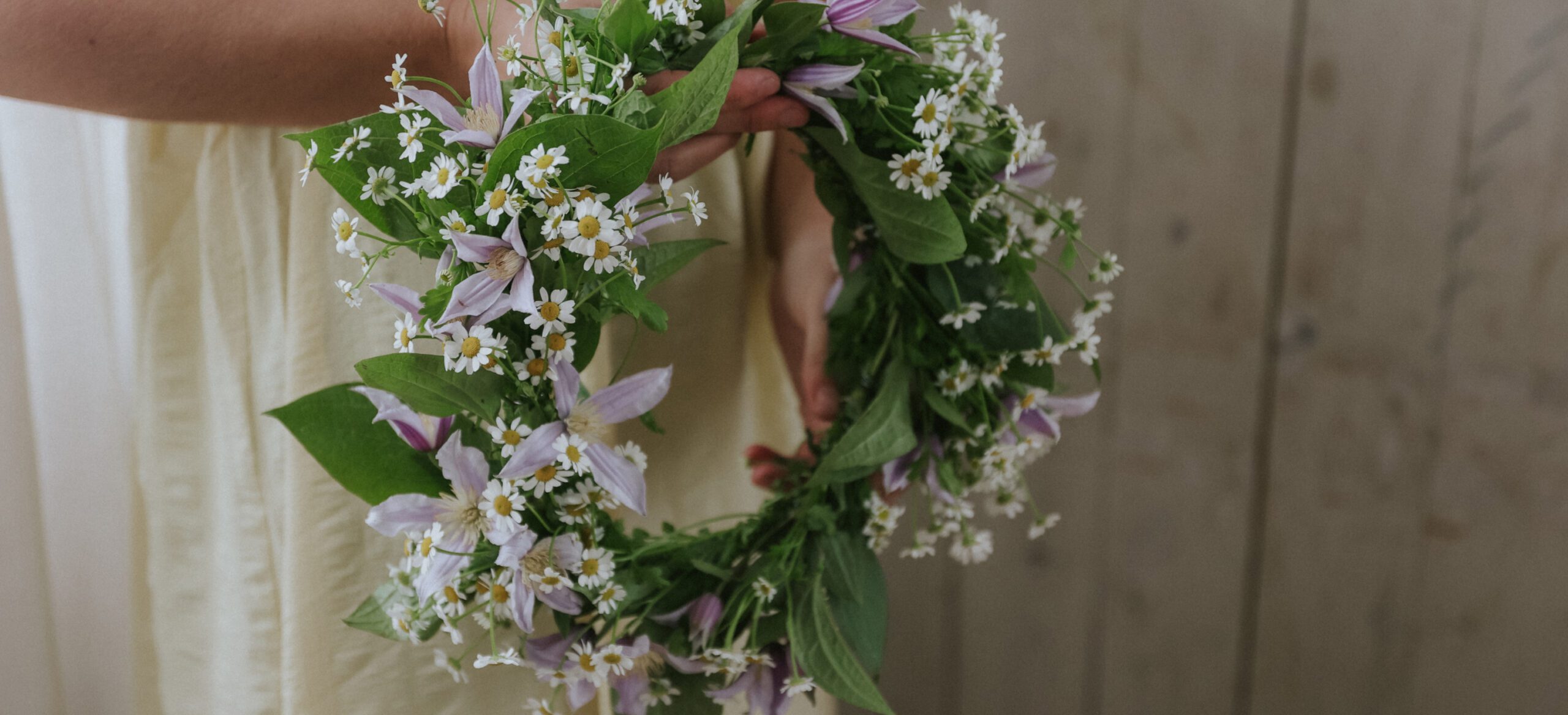
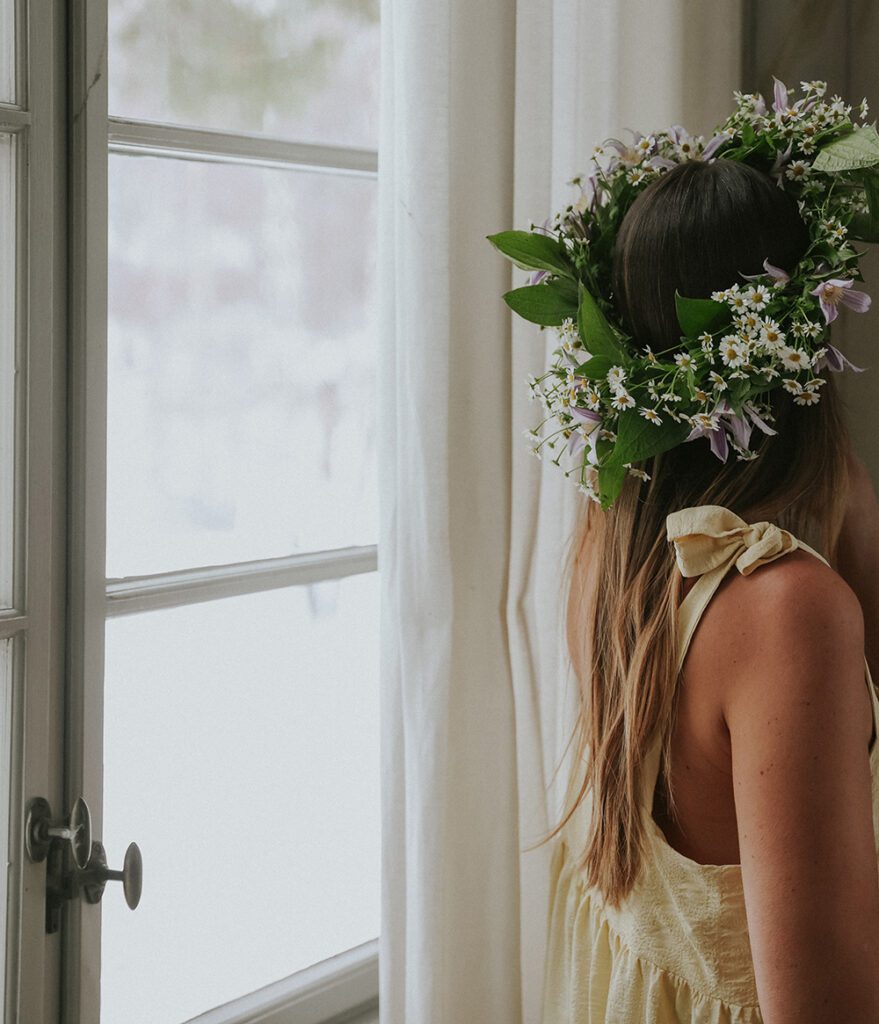
The Midsummer pole, one of the most iconic symbols of Midsummer, has its roots in ancient fertility symbols. Raising and dancing around the Midsummer pole is a central part of the celebration. Flowers and greenery are used to decorate the pole, houses, and people. Picking seven or nine different flowers and placing them under your pillow is said to bring visions of your future partner in your dreams.
Food and drink also play an important role in the Midsummer celebration. Traditional Midsummer dishes include pickled herring, new potatoes with dill, sour cream, strawberries, and a schnapps. Meals are often long and festive, with singing and dancing as natural elements.
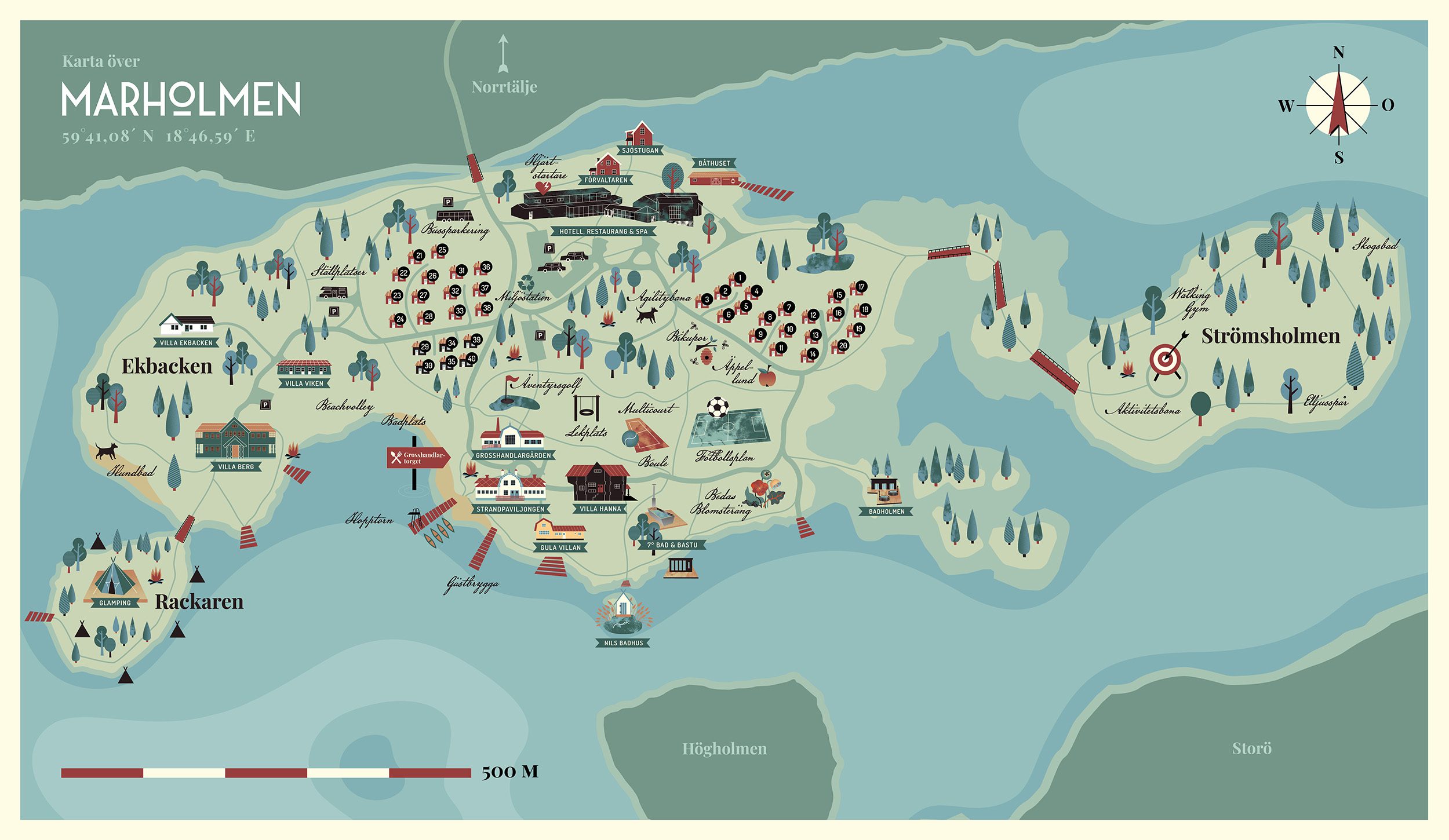
Midsummer on Marholmen
If you're looking to experience a truly idyllic and traditional Midsummer, few places can compare to Marholmen in the Roslagen archipelago. Marholmen offers the perfect blend of beautiful scenery and rich cultural history. Here, you can celebrate Midsummer in a way that truly captures the essence of Swedish summer.
At Marholmen, the celebration starts already on the Thursday before Midsummer's Eve with check-in to hotels, cabins, or villas. Here, you'll be greeted by blooming summer meadows, water lapping against the jetties, and an atmosphere that's hard to beat. Midsummer's Eve at Marholmen includes the traditional raising of the maypole, followed by communal games and dancing. For food lovers, there's a traditional Midsummer lunch and a delicious grill buffet to enjoy.
Midsummer on Marholmen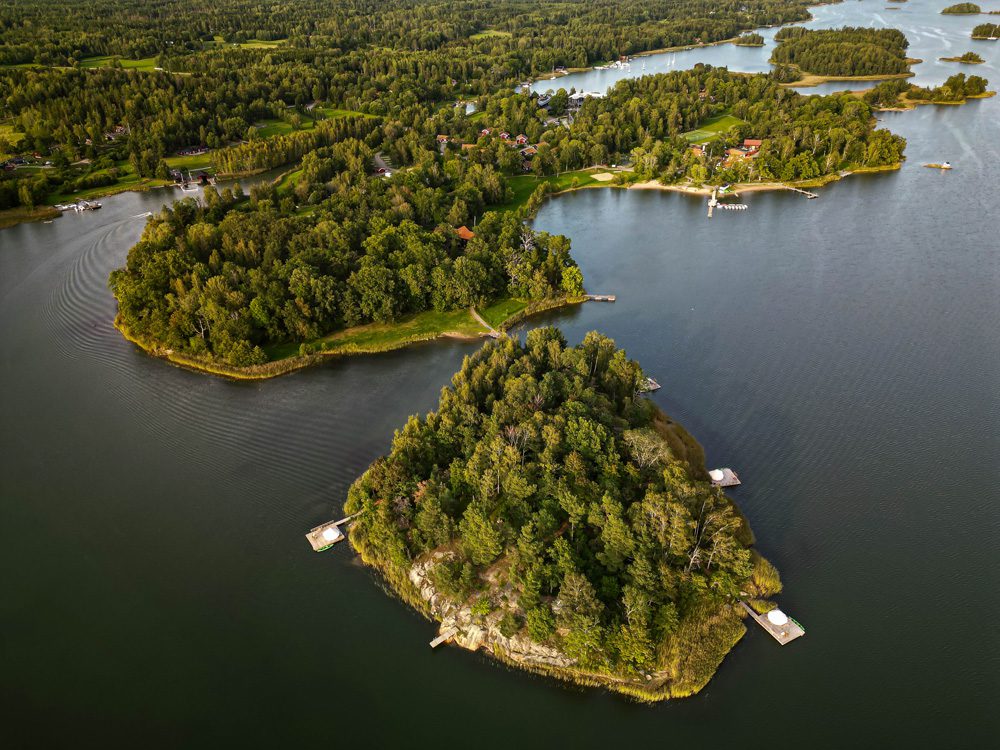
Relaxation and Activities
Besides the traditional celebrations, Marholmen offers a variety of activities for the whole family. On Midsummer's Day, you can relax and enjoy nature, participate in activities like beach volleyball, adventure golf, fishing trips, and much more. Marholmen has something for everyone, whether you're looking for excitement or relaxation.
Activities on Marholmen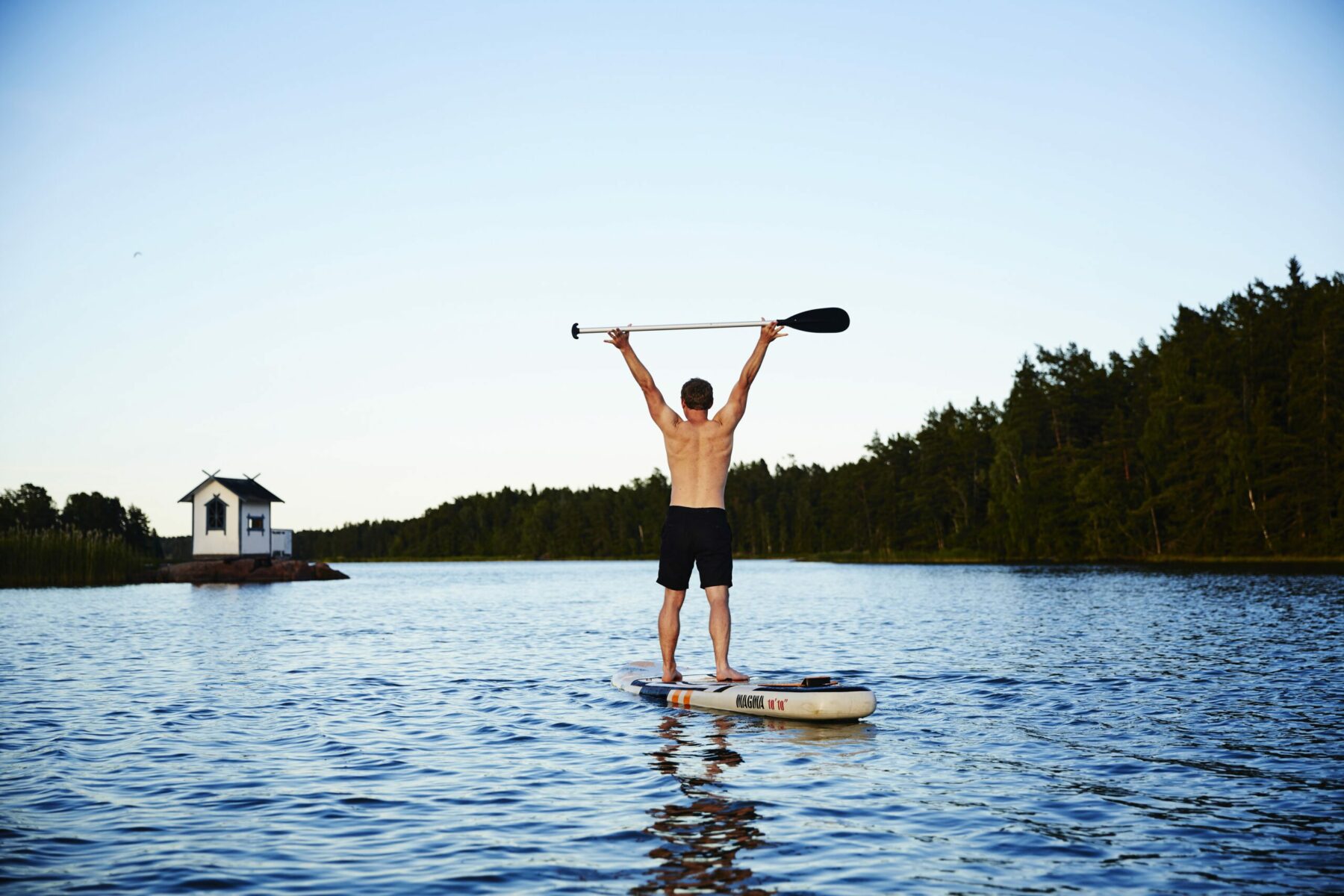
Conclusion
Midsummer is a time to celebrate light, nature, and togetherness with loved ones. By joining this celebration on Marholmen, you'll not only experience Swedish traditions authentically but also enjoy a relaxing and fun weekend in one of Sweden's most beautiful archipelago settings. Welcome to celebrate Midsummer on Marholmen – where tradition meets nature's beauty and creates memories for life.