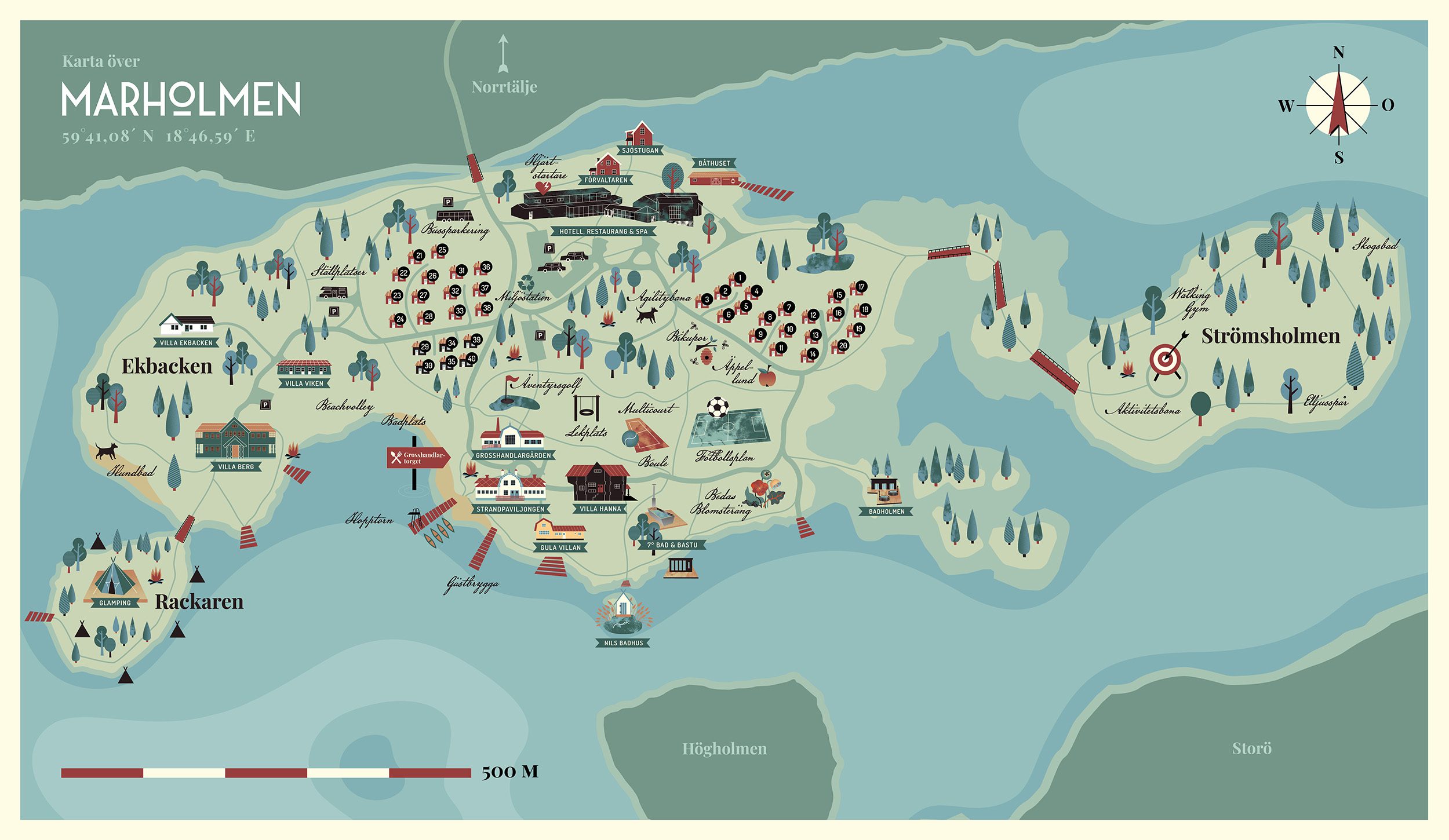
The History of Marholmen
Right here, you’re standing in the midst of history.
Take a look around and imagine what it was like just over 100 years ago. Back in 1917. That’s when Selma Blomberg set foot on Marholmen .
She was 41 years old and had been a widow since her husband, Herman, died 13 years earlier. Her days consisted of hard work at the Rörstrand Porcelain Factory, where she earned 100 SEK a month. That had to be enough to support her and her two children. The small family lived in a one-room apartment with a kitchen on Helsingegatan in Stockholm. They had no central heating and used a dry outhouse in the yard as their toilet.
Selma was a laborer. Poor, hardworking, and in poor health. She hadn’t had a single day off in her entire adult life. Until that day, when she stepped ashore on Marholmen . She had come to stay at the rest home there for two weeks. Free of charge. She could hardly believe it. How was that even possible?
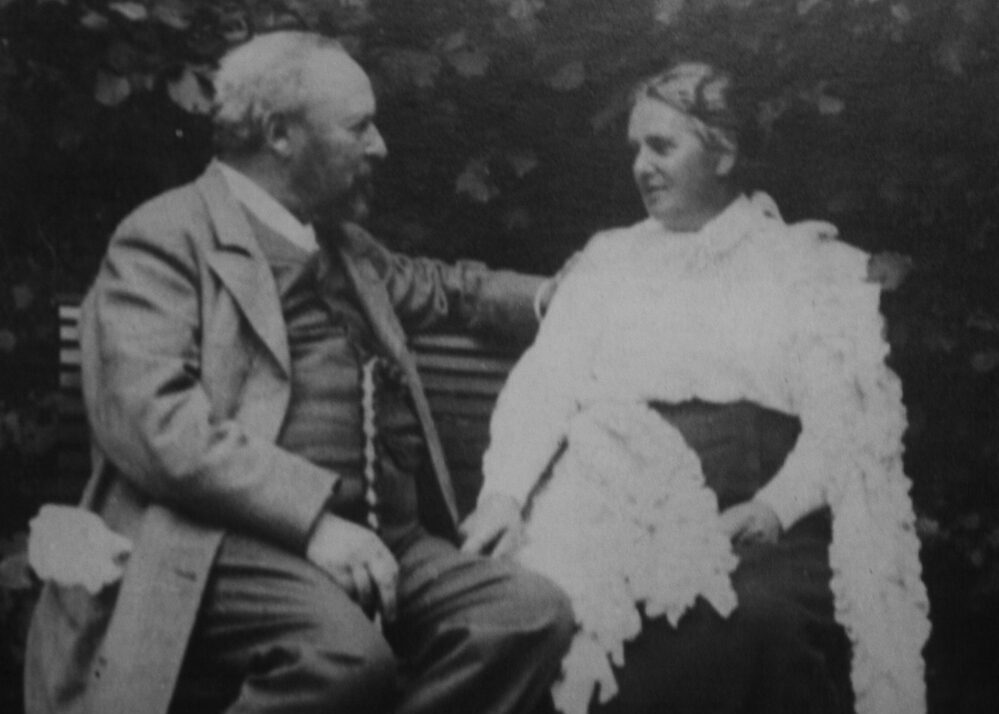
To find the answer, we need to go back four years to 1913, when wholesaler Nils Berg and his wife Hanna made a decision. They resolved to donate their beloved island, Marholmen, to the Swedish Trade Union Confederation (LO) and build a rest home there for working-class women. Nils had succeeded in amassing a fortune, and Hanna was involved in women’s rights issues. They had both retired from their working lives and had everything they wanted. They thought, why don’t we do something meaningful and important with our money? So that’s what they did.
Skogsstugan was built as a vacation home for female workers alongside the Vilohemmet rest home. A year later, Semesterhemmet, a vacation home for men and their families, was completed. But Nils had more plans.
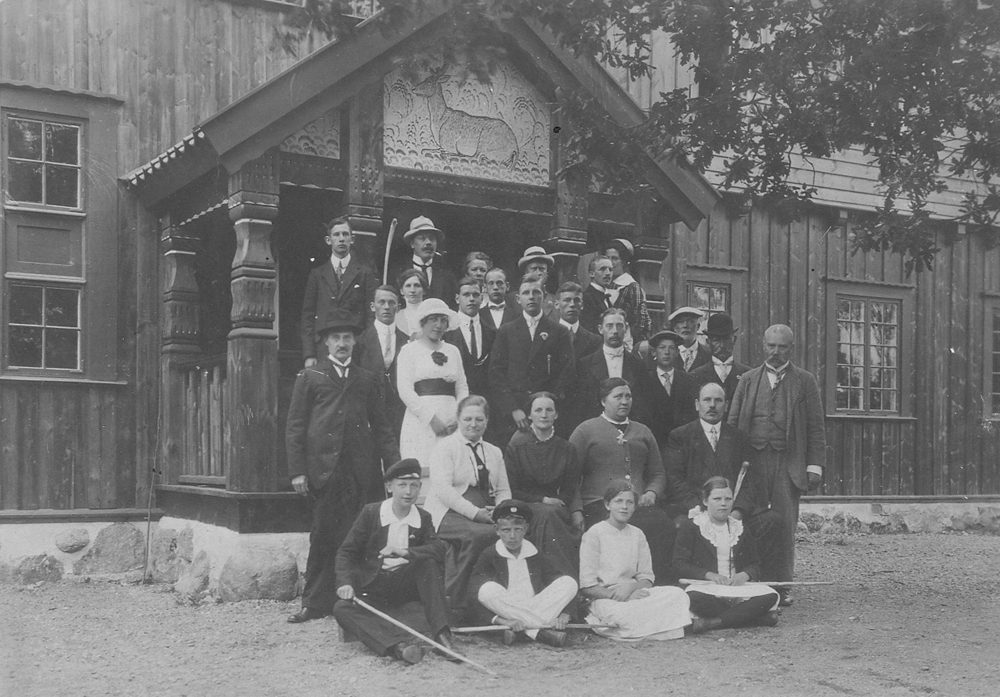
In 1924, two years after Hanna’s death, Nils donated the remainder of his fortune to Birkagården Folk High School, an independent adult education college in Stockholm. He wanted to promote adult education, particularly “the educational needs of female factory workers.” This led to his next initiative, and the adult education center Folkbildningshemmet opened on Marholmen 1926. The first course for women was held there that same year.
Educational and training activities were expanded to include members of the labor movement. The first labor union course—a week-long program for members of the Swedish Transport Workers’ Union—was held in 1937. And so it continued. Thousands upon thousands of union members gained a wealth of new knowledge through these courses. The Swedish Municipal Workers’ Union (Svenska Kommunalarbetareförbundet) purchased Marholmen 1983. Eighty percent of its members were women, making it Sweden’s largest women’s organization. It is hard to imagine a better successor to Nils and Hanna’s work.
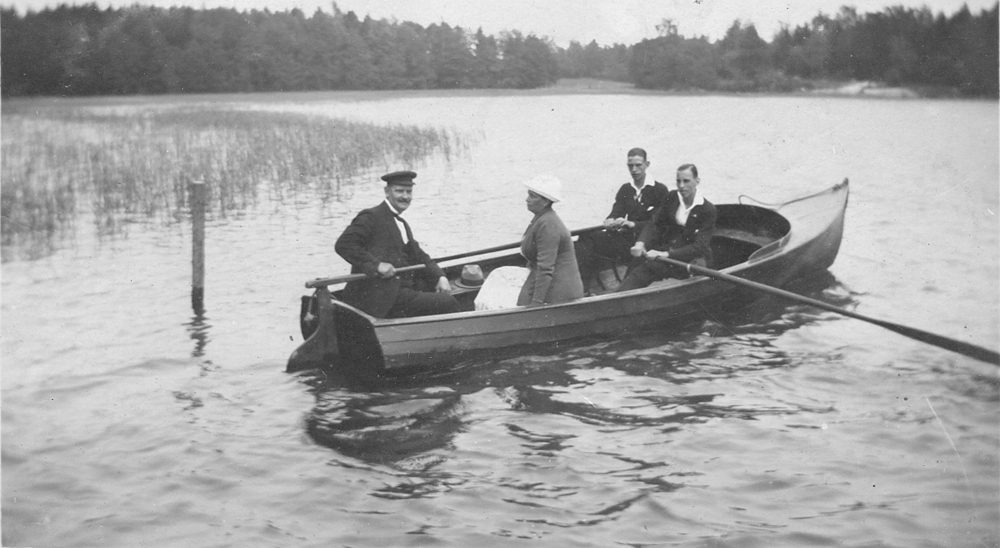
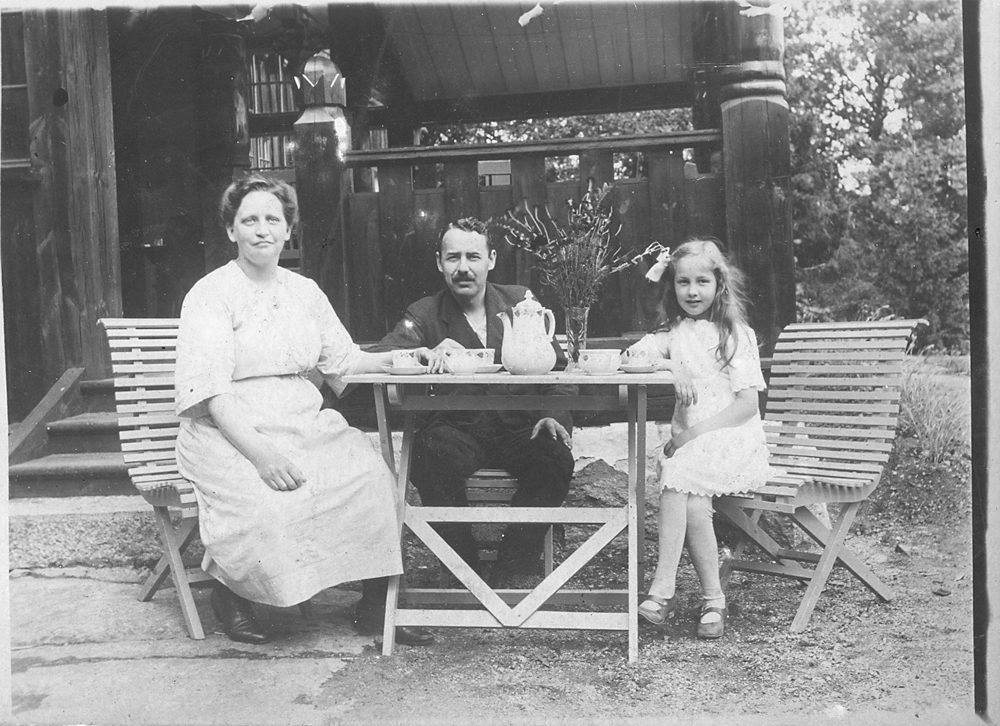
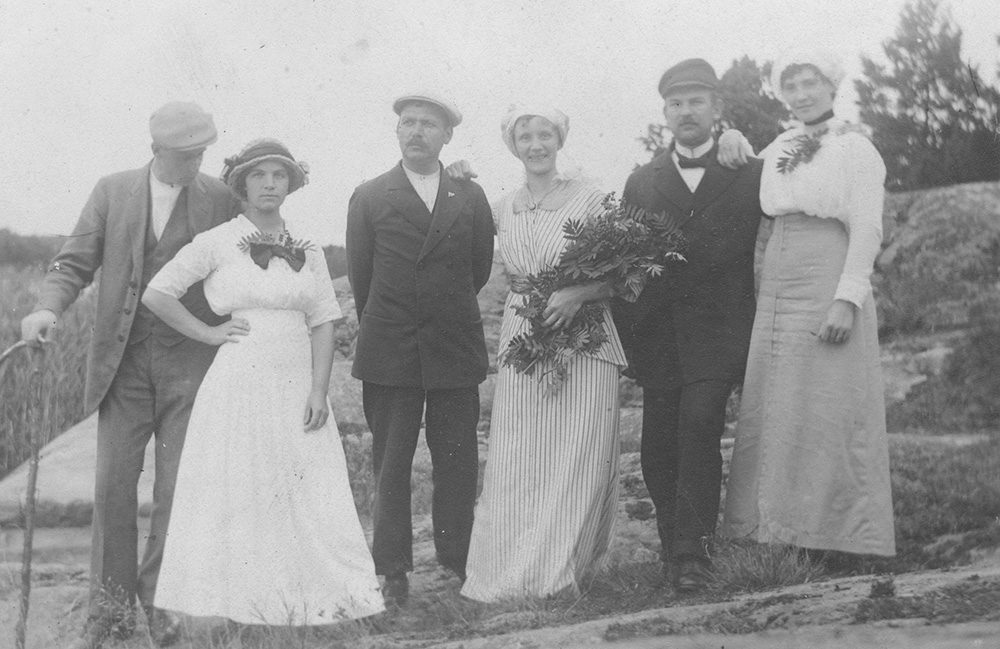
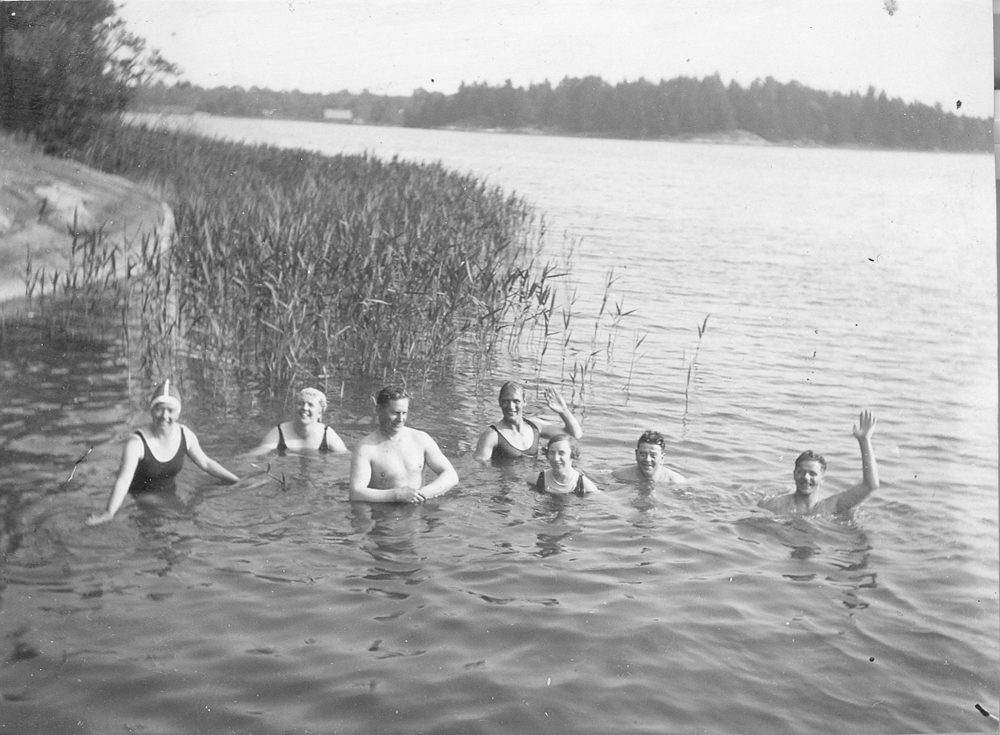
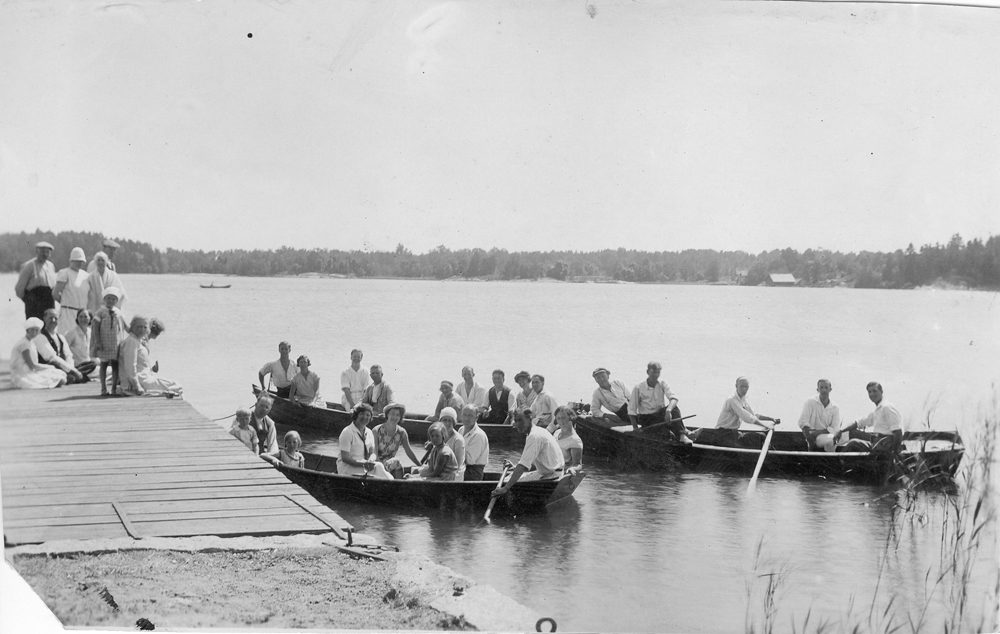
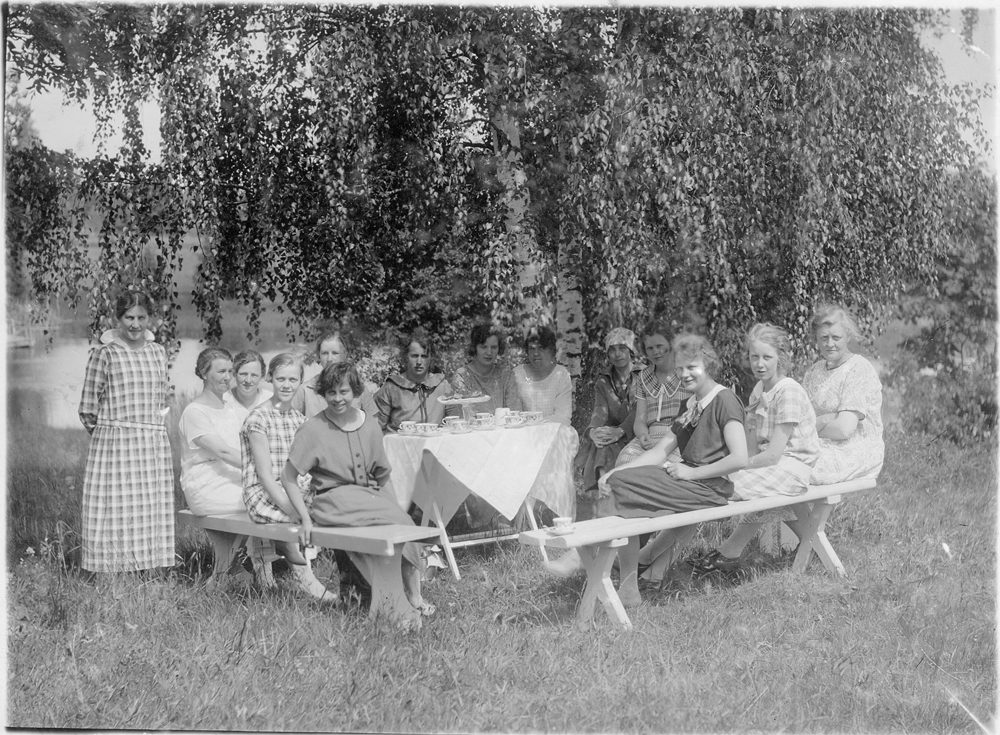
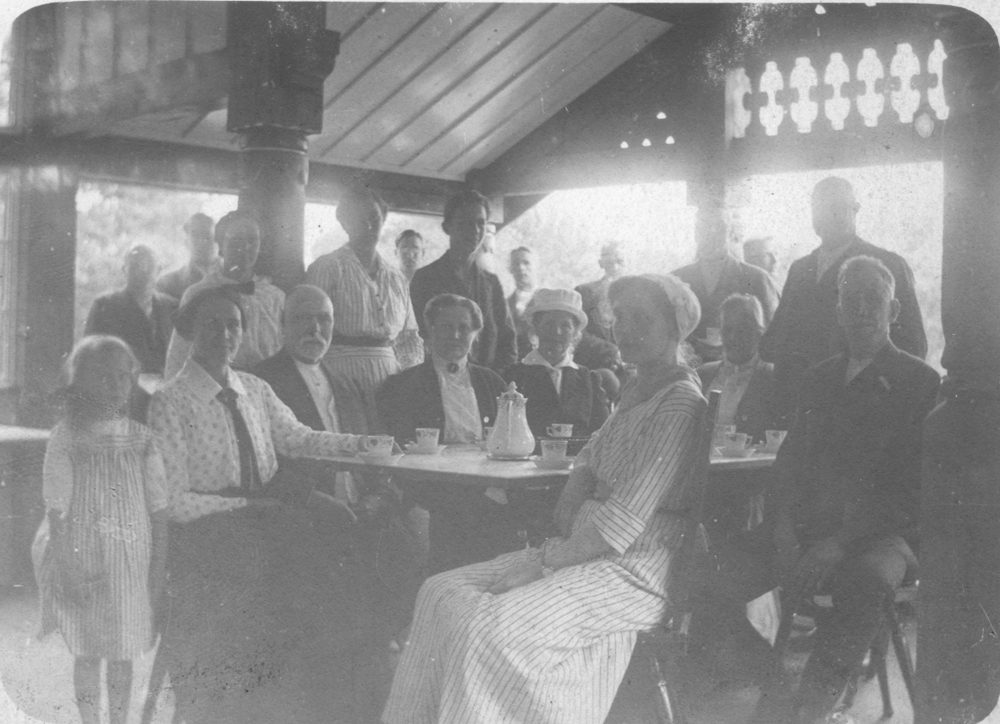
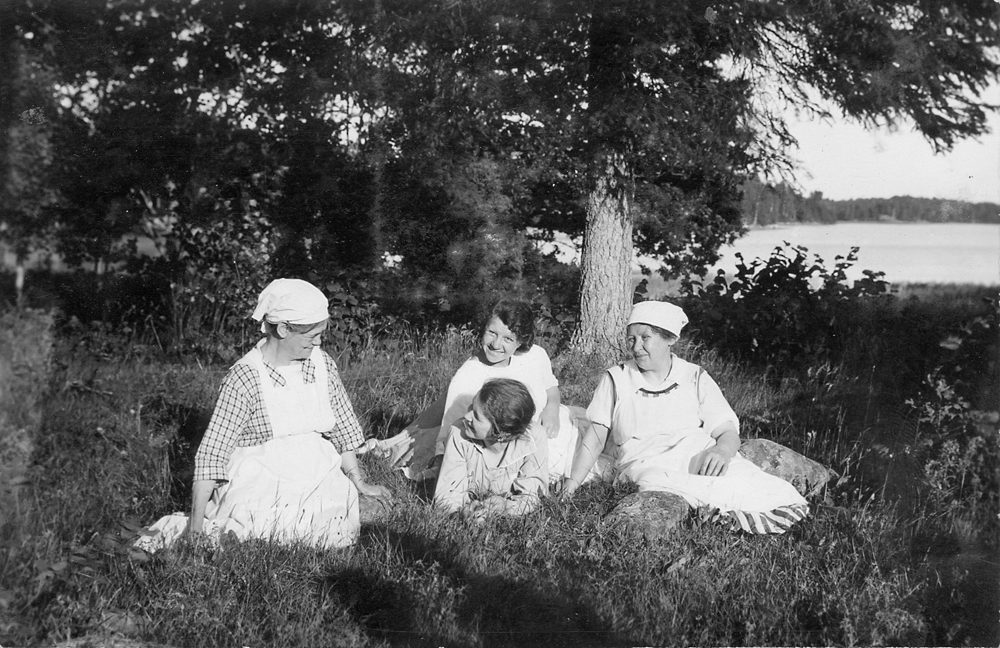
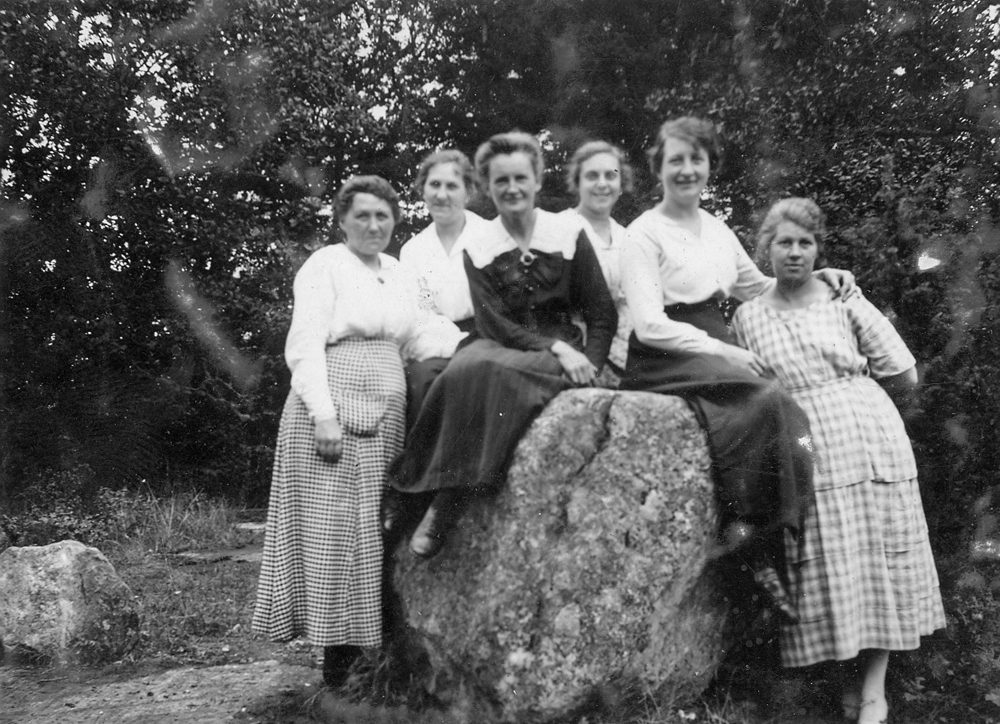
Back to Selma. Selma spent two weeks at the Vilohemmet rest home here on Marholmen along with 13 other female laborers. They went swimming, took walks in the lush summer scenery, enjoyed excursions on land and on the water, picked flowers, chatted while relaxing in the white garden chairs, and did everything that makes for a summer. On rainy days, they sat indoors and read or played cards or other games together. In short, they rested.
By the end of the summer, a total of 52 women had stayed at the rest home. The committee concluded that: “…most of the women have gained weight and regained their health and strength, and the result is therefore in line with the foundation’s objective.”
For Selma, two weeks of leave was an unattainable dream. As a female laborer, she had neither the financial nor the political means. It took another five years before women in Sweden gained the right to vote. A law granting workers the right to two weeks of annual leave was not passed until 1937.
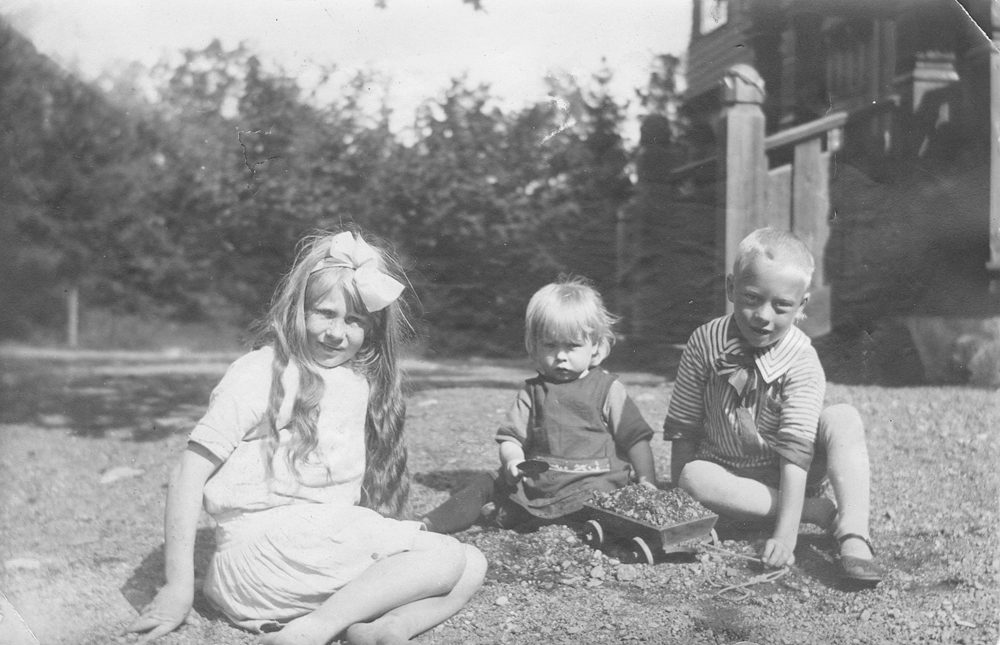
It’s easy to imagine how hard life was for many people back then. But, in fact, not everyone can afford a vacation these days either. Nearly one in ten children in Sweden live in economic poverty. For many of these 186,000 children, going on vacation—staying in a cottage or a camper—is exactly what it was for Selma: just a dream. Can we do something for them? Yes.
At Marholmen, we continue to work toward creating a sustainable society in many ways. This includes giving families with limited financial resources the opportunity to come here and relax through our "Family Time" initiative. You can read more about our commitment on our website.
Why? Because we can. And we want to. Just like Nils Berg and Hanna did. Hanna died in 1922; Nils four years later. But their idea lives on. History continues.